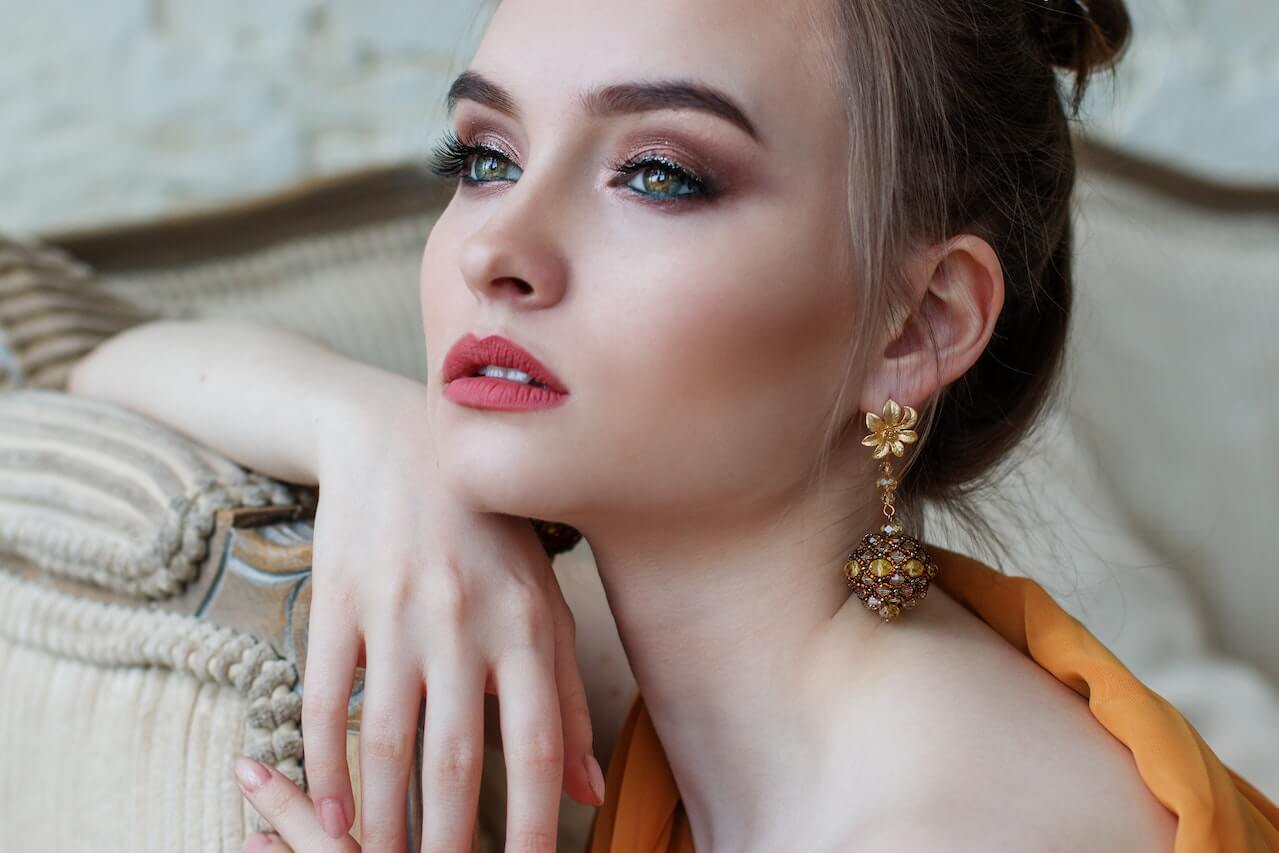

Fine jewelry holds a significant value
Fine jewelry holds a significant value that extends beyond its monetary worth. It encompasses exquisite pieces crafted with the utmost care and attention to detail using high-quality materials, including precious metals and gemstones. The value of fine jewelry can be attributed to several key factors:
- Craftsmanship: Fine jewelry is a testament to exceptional craftsmanship. Skilled artisans dedicate their expertise and passion to meticulously shape and create each piece, ensuring the highest level of quality and precision. The intricate details and superior workmanship contribute to the value and durability of fine jewelry.
- Raw Materials: An item’s raw materials will always impact its resale value. An appraiser will assess a piece’s precious metals and gemstones (including assessing the carat weight and qualities of the gemstones) while determining their buying offer. The quality and carat weight of the stones in gemstone and diamond jewelry can dramatically affect a piece’s value.
- Design: Designer jewelry comes with a box and papers from the designer brand. Collectors often consider a designer piece’s box and papers valuable, so having these items can increase the price you get for your pre-owned jewelry. This is especially true for luxury watches. Generally, a luxury watch that comes with its original box and papers will sell for a much higher price than it would without its box and papers.
- Condition: If a piece of jewelry has been well cared for and is in good or excellent condition, this has a positive impact on its resale value. On the other hand, if a piece of jewelry is in poor condition and may require repairs, this has a negative impact on its resale value. For example, if you have a piece of gold jewelry, like a gold and diamond ring, that is covered in scratches or has structural damage, it will fetch a lower price than that same piece would if it were in pristine condition.
- Brand Reputation: Fine jewelry from established and reputable brands carries additional value. Brands known for their commitment to excellence, innovation, and heritage often command higher prices due to their brand recognition, quality assurance, and long-standing reputation. The brand’s history, legacy, and association with iconic pieces or influential figures can elevate the value of their jewelry creations.
- Market Value: Whether a piece of jewelry is from a well-known brand or is unsigned, it’s salability in the current market has an enormous impact on its resale price. Simply put, if an item is currently considered more desirable in the eyes of consumers (due to its design, materials, or brand), it will have a higher resale value.
Conclusion
The value of fine jewelry extends beyond its monetary worth. Craftsmanship, high-quality materials, exceptional design, rarity, brand reputation, emotional significance, and investment potential all contribute to the overall value of fine jewelry. As wearable works of art, fine jewelry pieces hold both aesthetic and sentimental value, making them treasured possessions that can be enjoyed and passed down through generations.